The Weight of the Sentence (POLITICAL OBSERVATION)
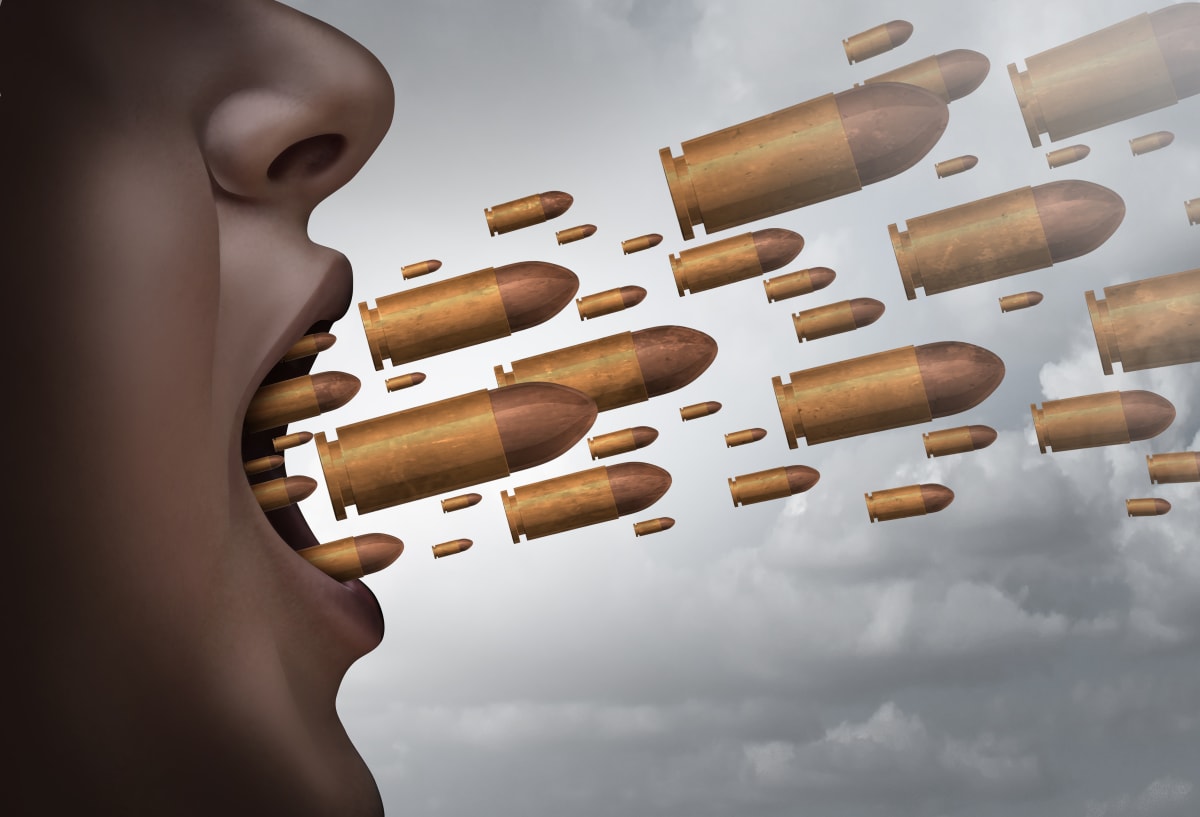
"WORDS ARE ARROWS, ONCE RELEASED, THEY CANNOT BE RECALLED"
Language has always played a powerful role in shaping society, but in the age of mass media and social platforms, its influence has become even stronger. The words spoken by politicians today do not remain limited to a single room or audience; they travel instantly across television screens, mobile phones, and social media feeds. As a result, political language now has the power to unite nations or divide societies within moments.
Throughout history, political language has shown both its constructive and destructive power. For example, Nelson Mandela used words of forgiveness and unity after the end of apartheid in South Africa. Instead of encouraging revenge, his speeches promoted reconciliation and peace, helping a deeply divided nation move toward healing. His careful and respectful use of language reduced violence and built trust among citizens. This shows how positive political language can stabilize society and inspire hope.
In contrast, harmful political language has often led to fear, hatred, and conflict. For instance, when political leaders use divisive rhetoric against ethnic, religious, or social groups, it can legitimize discrimination and violence. In several countries, inflammatory speeches and slogans have been followed by protests, riots, or attacks on minority communities. When politicians label opponents as “enemies,” “traitors,” or “threats,” they encourage polarization rather than democratic debate. Such language damages social harmony and weakens public trust in leadership.
Social media has intensified this effect. A single tweet or post can reach millions within minutes. For example, during election periods around the world, misleading statements or emotionally charged messages shared by politicians have caused panic, spread false information, and influenced voters unfairly. When leaders use casual, aggressive, or sarcastic language online, it often gets copied by supporters, turning into online abuse or real-world hostility. This proves that words used on social media are not harmless, they carry real consequences.
Public speeches delivered through television, radio, or digital platforms require special care. A responsible leader must use clear, inclusive, and respectful language. During national crises such as pandemics, natural disasters, or economic downturns, the public looks to leaders for reassurance and guidance. For example, leaders who communicated calmly and honestly during the COVID-19 pandemic helped citizens follow health guidelines and remain cooperative. On the other hand, leaders who downplayed risks or used confusing language created mistrust and resistance, worsening the crisis.
This reality serves as a serious warning to politicians: every word spoken in public has power. Language can calm angry crowds or provoke violence. It can strengthen democracy or weaken it. Politicians must understand that their speeches and posts shape not only opinions but also behavior. Respectful language encourages dialogue, while careless words can destroy social peace.
Some political language in the modern media age is not just about winning votes or gaining attention. It is about responsibility, ethics, and leadership. Politicians must choose words that promote truth, unity, and understanding. History clearly shows that words can build nations, but they can also break them. The choice lies in how leaders speak to the people they serve. Leaders must be a person who does not repeat the same mistake over and over.
Solo.
References: Released in 1990, Mandela played a pivotal role in South Africa's transition to democracy, advocating for reconciliation rather than revenge. In 1993, he was awarded the Nobel Peace Prize. In 1994, Mandela became South Africa's first black president, ushering in an era of unity and social change.
The Power of Forgiveness – Mandela’s Legacy of Reconciliation and …
.png)
.jpeg)

Comments