When past taught Nothing: War is choice and Peace is choice too
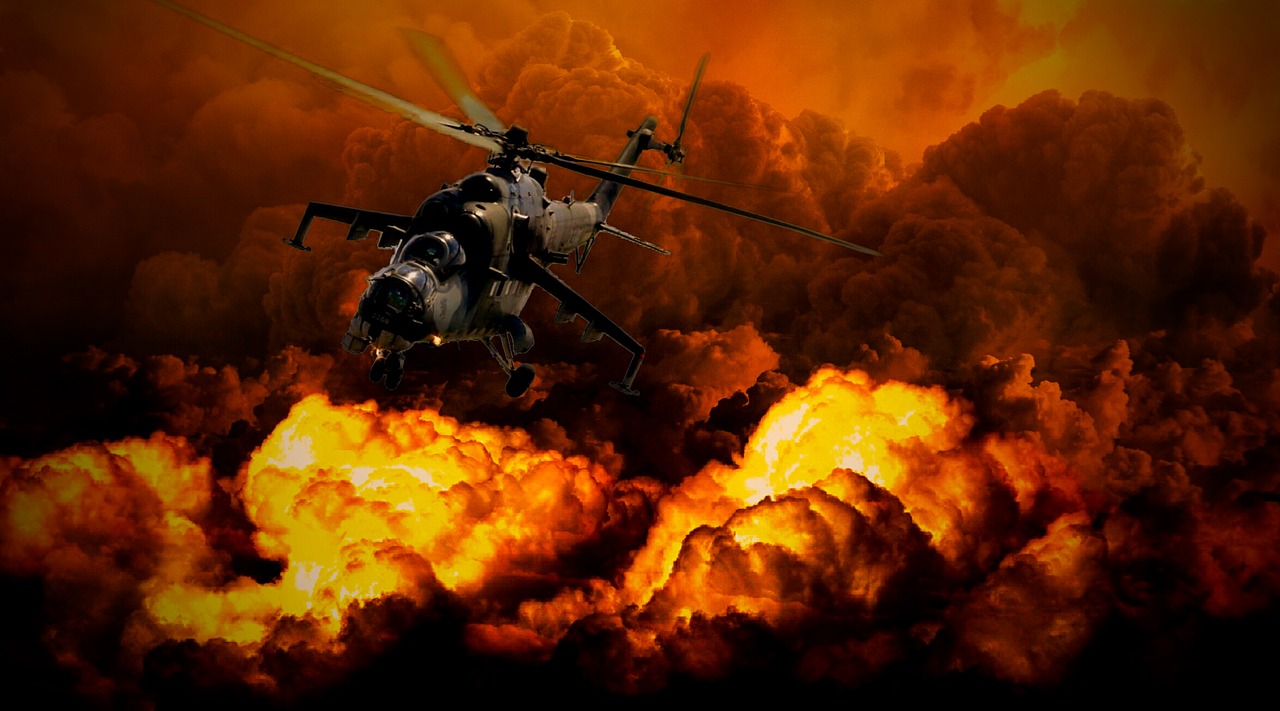
The Struggle for Power
In many African countries, politics is not about service it’s about survival. Political power often means access to wealth, resources, and protection. Because of this, losing power can be dangerous even deadly. Leaders will do anything to remain in control, including using their armies to silence opposition or manipulate elections.
The result is a vicious cycle:
Politicians use the army for personal gain.
Soldiers become instruments of oppression.
Citizens lose trust in their leaders and take up arms in rebellion.
Thus, war becomes a political tool not for liberation, but for self-preservation of the powerful.
Greed and Natural Resources
Africa is rich in gold, oil, diamonds, and minerals. But instead of bringing prosperity, these resources have often become a curse. Local elites, foreign corporations, and warlords compete to control them.
From the diamond wars in Sierra Leone to the conflicts in the Congo over cobalt and coltan, countless lives have been lost so that others may profit. Ordinary Africans rarely benefit; they pay the highest price displacement, hunger, and death while the powerful grow richer.
External Influence and Exploitation
Foreign nations and corporations often play a silent but destructive role. They arm rebels, fund corrupt regimes, or exploit instability to secure cheap access to resources. Sometimes, wars are not just internal conflicts they are proxy wars, fueled by outside interests that see Africa not as a continent of people, but as a battlefield for profit and control.
The Sacrifice of Soldiers
Soldiers are often young, poor, and desperate. They are told they are fighting for their country, when in truth, many are fighting for the ambitions of politicians. These young men and women die on battlefields that mean nothing to them personally. Their lives are sacrificed for political pride, greed, or revenge. Their families are left behind broken, poor, and forgotten.
The Hope That Still Exists
Despite all this, Africa is not doomed to eternal conflict. Across the continent, there are movements for peace, justice, and accountability. Young people are demanding better governance and refusing to be used as tools of war. Peace requires education, strong institutions, and a shared sense of nationhood not based on tribe or region, but on a collective dream of prosperity and dignity. Africa’s story is not one of endless war it is one of resilience. The continent’s strength lies in its people’s ability to rebuild, forgive, and dream of something better.
Final Thought
Wars in Africa are not inevitable they are man-made. They happen because of choices: the choices of corrupt leaders, greedy corporations, and divided societies. But just as war is a choice, peace is a choice too. And the day Africans everywhere choose peace over power, compassion over corruption, and unity over division that will be the day the continent truly begins to rise. Durable solution obtains through talks and solves problem. When greed and power desire becomes priority, some leaders unleash the beast and comes to feast. Why human being never learns from the past?
.png)
.jpeg)

Comments