A Thought That Bleeds
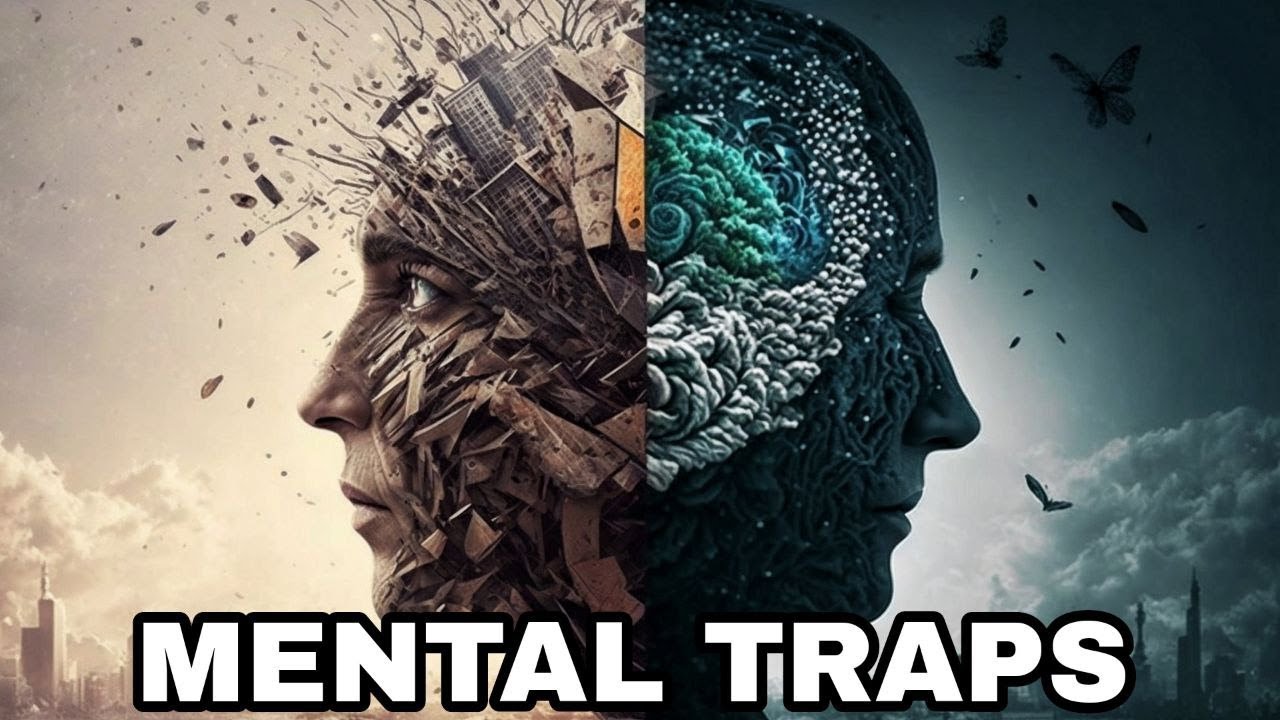
Psychologists often say:
“You are not your thoughts, but your thoughts shape your experience.”
Understanding the difference between good thoughts and worse thoughts is key to building mental resilience and emotional well-being.
The Nature of Thought: Product vs. Process
Good thoughts are usually the result of reflection and awareness. They come after your brain has processed a situation calmly and rationally. These thoughts are constructive, they guide behavior, problem-solving, and emotional regulation.
Worse thoughts, on the other hand, often arise from automatic emotional responses. They can be influenced by stress, fear, or past experiences. These thoughts are reactive rather than reflective, and they tend to amplify negative emotions
Good Thought: “I didn’t perform well this time, but I can prepare better next time.”
Worse Thought: “I’m terrible at this; I’ll never improve.”
The difference lies not in optimism but in accuracy and balance.
Emotional Impact: Uplifting vs. Depleting
Good thoughts create psychological safety. They reduce cortisol levels (the stress hormone) and activate parts of the brain related to motivation and reward.
Worse thoughts, in contrast, keep the brain in a state of perceived threat, triggering the fight-or-flight response. Over time, this can lead to anxiety, fatigue, or even depression.
Quick self-check:
Ask yourself, “Does this thought calm me or drain me?”
Your emotional response often reveals whether a thought is serving or sabotaging you.
Cognitive Patterns: Rational vs. Distorted Thinking
In cognitive-behavioral psychology (CBT), worse thoughts are often linked to cognitive distortions habitual ways of thinking that are inaccurate or exaggerated.
Some examples include:
All-or-nothing thinking: Seeing things as entirely good or bad.
Catastrophizing: Expecting the worst possible outcome.
Mind reading: Assuming you know what others think.
Overgeneralizing: Drawing broad conclusions from a single event.
Good thoughts, on the other hand, use balanced reasoning. They acknowledge reality without exaggeration and allow for multiple perspectives.
Example:
“This presentation didn’t go as planned” (balanced)
vs.
“I always fail at everything I do” (distorted)
Behavioral Outcomes: Growth vs. Stagnation
Good thoughts inspire action, they move you toward problem-solving, communication, or self-care.
Worse thoughts often cause inaction leading to avoidance, procrastination, or withdrawal.
Over time, this creates a feedback loop: good thoughts build confidence through positive action, while worse thoughts reinforce fear through inaction.
Tip: When a negative thought arises, ask: “What’s one small action I can take right now?”
Action often weakens the hold of worse thoughts.
The Bleeding Effect: When Thoughts Spread
The title “A Thought That Bleeds” refers to how a single negative thought can seep into other areas of life.
For example, one self-critical thought about your work performance can influence your confidence in relationships or creativity. However, awareness stops the bleeding. When you recognize a harmful thought early and challenge it. You prevent it from spreading into other domains of life. Transforming Worse Thoughts into Good Ones
You can’t stop negative thoughts entirely, but you can retrain your mind to respond differently.
Here’s how:
Notice: Identify when a thought feels harsh or hopeless.
Name: Label it as “a thought,” not a fact.
Neutralize: Replace judgmental language (“I’m bad”) with factual or curious language (“I struggled today, but why?”).
Nurture: Create a balanced alternative thought that encourages learning or perspective-taking.
Example:
“I failed” → “I didn’t meet my goal this time, but I can improve with practice.”
This process rewires neural pathways over time, promoting resilience and cognitive flexibility.
Conclusion: The Power of Awareness
Every thought carries emotional energy. Some lift us, others drain us.
Recognizing the difference between good and worse thoughts isn’t about being positive all the time it’s about being accurate, compassionate, and self-aware.
When you pause to observe your thoughts rather than obey them, you stop them from bleeding into every corner of your mind.
That pause that moment of awareness is where growth begins.

solo.
.png)
.jpeg)

Comments